
Samantha Gloede entered the technology sector without a doubt that it was a space for her.
Gloede grew up attending an all-girls school in Perth, Western Australia, where the idea that tech wasn’t for women never entered the room.
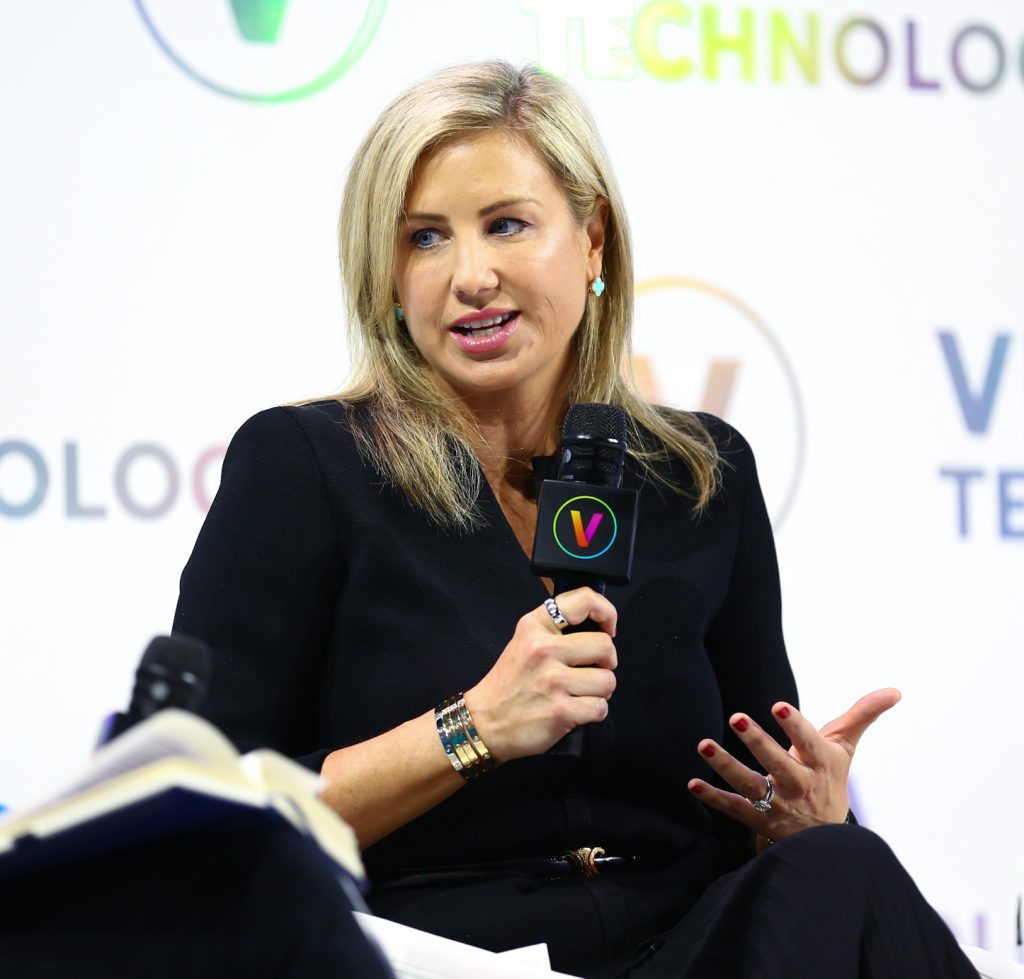
The same confidence carried her to university, where she pivoted from pharmacy to business and, nudged by her mother, picked up a computer science degree along the way.
“I just really enjoyed it,” she says. “I think because I’m quite a structured person, I found it quite easy.”
Three decades on, she holds dual global roles at KPMG as global head of risk services and global trust AI leader for KPMG International.
From Perth to the world
Gloede joined KPMG as a graduate and has remained there for 30 years, though not in the same location. An early project in Hong Kong led to repeat visits; a growing interest in cross-cultural work, including Tokyo; and eventually a move to New York City.
“Working on a project in Tokyo was so very different, even to working in Hong Kong,” she explains. “I just love learning about and working with other cultures and being really respectful of that.”
Being the only woman in the room
It wasn’t until she entered her computer science lectures that Gloede felt the gender gap directly. “There were very, very few women in the class,” she says. The same held true in her early years at KPMG.
Gloede explains that she doesn’t dwell on the harder moments, but she’s clear-eyed about the environment she was working in, and mentors have helped her along the way.
In fact, ask Gloede about mentorship and she starts not with a career strategy but with her mother.
“My mum, first and foremost, she was ahead of her time,” she says. It was her mother who suggested adding computer science to her degree. “Of course, little did we know, it really was going to be something.”
Within KPMG, she speaks about Sandy Torchia, a partner on both the U.S. management committee and KPMG’s global management team, as someone who has been a consistent presence across different stages of her life.
“She always knew my capabilities and helped push me — but also allowed me to have the sense of self and self-confidence to know what I want to do, to keep forging on a path that, frankly, was not the normal path most people at KPMG took.”
She also credits the Women in America program, an 18-month initiative covering personal brand, negotiation and career development.
The lasting benefit, she says, was the peer group it created. “The ladies in my cohort are now some of my absolute best friends,” she says. “We were all facing the same challenges of being a working mum. Some have gone from big banks to starting their own businesses. We count on each other through those journeys.”
On doing it all, and what that actually means
Gloede says that to keep up with her current pace requires careful structure. She wakes early, exercises daily, meditates, cooks from scratch and is deliberate about sleep. She’s also closely involved in her son’s school life, including currently helping the school board develop an AI strategy.
“I feel really fortunate that I get to help the school, which is part of a collective of other schools in the US, to help establish the right foundations in education and for children to get the benefit of using AI and be fluent for when they graduate and go to college.”
She says the strategy helps children from a young age to understand how to use AI ethically and responsibly, and how to enjoy the benefits of it while still being a responsible digital citizen.
“I’m really energized by that, and it helps me keep going deep into this [for my career too] because I’m learning so much and I feel like, in a small way, I might be able to influence society.”
She’s careful not to make the balance of work-life sound easy. “I think you can do it all,” she says, “but you have to make choices.” Her broader view is that resilience comes from having enough different things that matter to you, so no single area of life carries all the weight.
“If one or two things are challenging at a time, you still have other parts of your life that are rewarding and bring joy,” she explains. “I try to live with a broad list of things that matter to me so that I’m never dependent on just one area of my life always being perfect.”
Trusting AI and trusting herself
As head of trusted AI, Gloede’s remit is to ensure that KPMG’s own AI tools are built and used responsibly, while advising clients facing the same questions.
“I’m living and breathing the same challenges they are every day,” she says. “It’s allowed me to have a lot more empathy with my clients than I’ve ever had in the past.”
Her outlook on AI is cautiously positive. She acknowledges the risks but keeps returning to what she sees as the potential: health care reaching remote communities, education extending to places it previously couldn’t.
“I think it’s worth persevering through the challenges and the scary parts to achieve those benefits,” she says.
“I feel very privileged that because of the role I have at KPMG, I can have a strong enough voice in this community and in society as a whole and I’m really energized by that.”
Gloede also makes a case for diversity as something with practical consequences in AI development. At an AI ethics panel recently, she found herself encountering angles she hadn’t considered and perspectives shaped by other panelists’ lived experiences.
“Having diversity of thought and experience brings different perspectives to the table. I feel encouraged that many of the organizations I work with are looking at that very diverse set of perspectives. I remain an optimist.”