
Whomever shapes technology today will shape the future.
Artificial intelligence is now embedded in the hiring decisions, credit approvals, content recommendations and performance reviews that govern working life — yet the people building those systems remain overwhelmingly male.
Women hold just 28.2% of STEM roles globally, according to a March 2025 white paper from the World Economic Forum, and that gap narrows further the higher you climb: only 12.2% of STEM C-suite positions are held by women.
The pipeline problem is structural, and it compounds early. McKinsey and LeanIn.org’s latest Women in the Workplace report, published in December 2025 and drawing on data from roughly 3 million employees, found that only 93 women were promoted to manager for every 100 men last year — a gap that widens at every subsequent rung. Meanwhile, only 21% of entry-level women say their managers encourage them to use AI tools, compared with 33% of men at the same level.
Companies, in other words, are both building AI without women and preparing women less well to work with it.
What changes that equation is less a policy question than a daily practice: of mentorship, of sponsorship, of visible leadership and the confidence to apply for roles before you feel ready. Seven women at the forefront of tech share what genuine inclusion looks like from where they stand, and why the industry can’t afford to get it wrong.
The importance of inclusion
June Lee, head of APAC and SVP, social impact, at integration firm Workato, says that inclusivity requires intentionality.
“Speaking up helps remind teams that there are different cultures and lived experiences in the room,” she says. “I have frequently been that person, asking for context or explanations that others take for granted. It requires confidence, but it also improves the quality of dialogue and decision-making for everyone.”
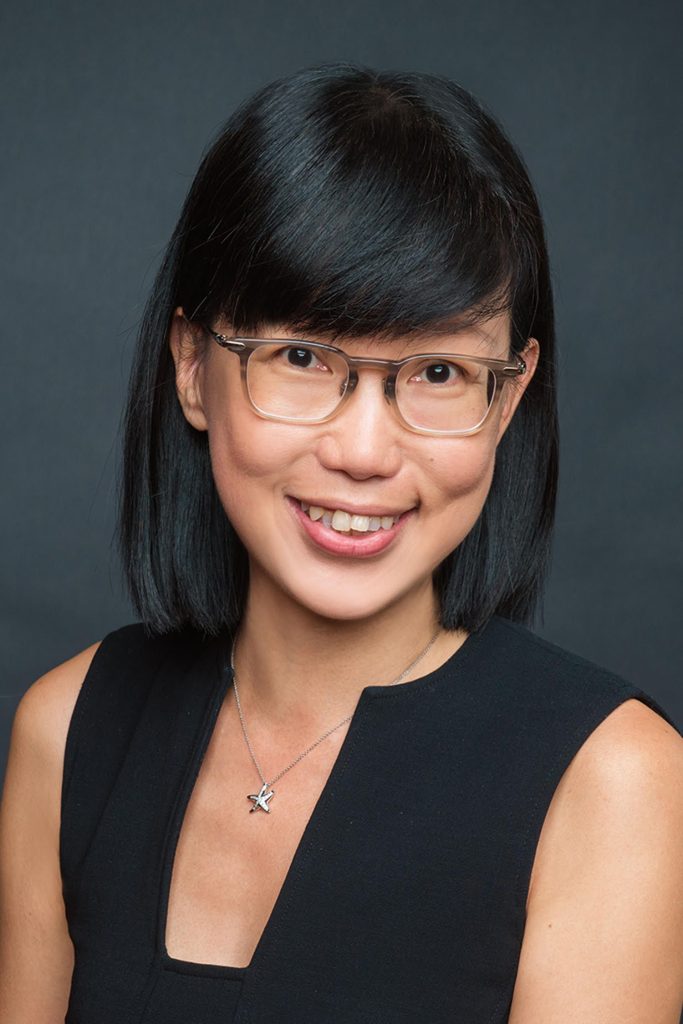
She adds that progress requires the courage to speak up, to make mistakes and to keep learning.
“Equally important is finding one or two allies who understand the value of diverse perspectives and will actively invite minority voices into the conversation. Also, having someone who will advocate for you when you are not in the room, reinforce your ideas, and ensure contributions are recognized can make a significant difference, especially for women and minorities.”
“When diverse voices are genuinely heard, teams become more creative, more empathetic and ultimately more successful.”
Aurora Nguyen Dan Phuong, FPT Software VP & global CMO, FPT Corporation, adds: “Today, building a meaningful career is no longer just about personal achievement, but also how women can give and support others.”
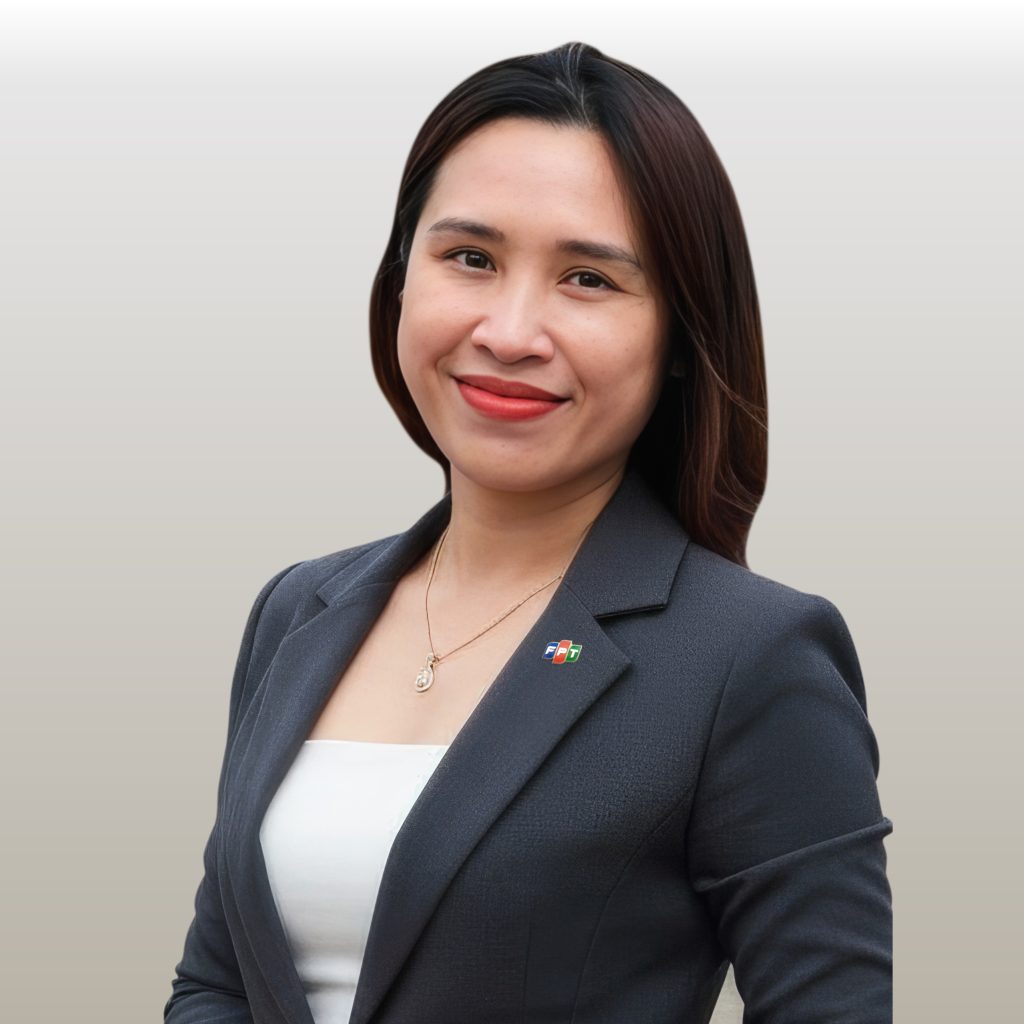
“By helping others solve challenges, sharing knowledge and contributing to teams and communities, women create impact that extends beyond their individual role.”
She says that women bring a natural advantage to this approach, “thinking holistically and connecting actions to outcomes. By asking not just how something is done, but why it matters and who it serves, women can drive more thoughtful, effective, and purpose-driven results while lifting others along the way.”
How gender diversity improves AI
“AI is quickly supporting decision-making that shapes women’s lives, from hiring and promotions to credit approvals and the content they see online,” points out Stephanie Higgins, chief privacy and data ethics officer at consulting firm Cognizant, who warns that the data AI is learning from could entrench existing bias.
“At scale, this can amplify risk for women and girls — particularly in areas where discrimination or online abuse already exists.”
“It’s incumbent on businesses using AI, the platforms and tech developers to be accountable and ensure these risks are being managed. Only then can we ensure that value is achieved through productivity gains and access to the widest talent pools.”
“If managed correctly, AI can help yield positive outcomes, strengthening online safety and supporting better decision-making.”
She underlines that increasing the number of women in technical roles and in leadership is an important part of shaping systems that are safer and fairer.
Sapir Hadad, executive director of AI, innovation arm at Fiverr says her focus is ensuring the next generation of AI tools expands opportunity — so that women freelancers, entrepreneurs and creators can compete, earn and lead on equal footing.
“It’s true that more women are shaping the future of industries like AI. But representation alone does not guarantee equity,” Hadad says. “If women only observe AI rather than designing it, we’ll turn yesterday’s prejudices into tomorrow’s code.”
The power of mentorship
Sarah Logan, head of agency partnerships, EMEA at Intuit Mailchimp, is clear about how mentorship shaped her — and why paying it forward is a business imperative, not just a personal one.
“I’ve been lucky to have female mentors throughout my career who were incredibly generous with their time, advice and encouragement. That support built my confidence and gave me a strong foundation for leadership that I still use today.”
“When we share what we know, connect people or speak up for someone when they’re not in the room, it makes much more of an impact than we realize. Paying it forward opens doors and increases opportunities for others, while broadening our own perspective and making us better leaders.”
“Giving isn’t something we run out of. When we team up, mentor and champion each other, we create environments where everyone thrives.”
Corinne Vigreux, cofounder and CMO at TomTom, agrees that knowledge-sharing is where real progress is made.
“Mentoring and creating access to technical skills are practical ways to help more women step into the sector. Every time someone offers guidance or backs emerging talent, the whole ecosystem benefits.”
“When women contribute to building the products and platforms that shape daily life, technology reflects society more accurately. Teams become stronger. Ideas become sharper. Businesses grow with greater resilience. Gender equality in tech will not be achieved by individual success stories.”
“Instead, it will be built through consistent acts of support and visible role models. When we give our time and trust to others, we gain a more innovative industry and a fairer future for the next generation,” Vigreaux says.
Anisha Vaswani, chief information and customer officer at Extreme Networks, brings it back to presence — and what leaders choose to do with theirs.

“In a world of constant meetings and decisions, presence is easy to lose and impossible to replace.”
“When we prioritize our people even when we’re busy, teams grow stronger, collaborate better and deliver greater impact.”
Stop writing yourself off before you’ve even applied
Samantha Varley, CSIRT analyst at Orange Cyberdefense, knows firsthand how self-doubt can derail a career before it begins, and how close she came to letting it.
“Even with a first-class degree in cybersecurity and digital forensics, early rejections from employers shattered my confidence. When I found the application for my current role, there were a few requirements I didn’t feel confident about. I almost walked away. It took my support network pushing me to finally submit my CV.”
“This is a cycle I see constantly when speaking to women entering tech. We might absolutely smash 80% of a job’s criteria, but if we don’t hit 100%, we hyperfocus on the parts we lack. We write ourselves off before the employer gets a chance to see our potential.”
“We need to change this narrative. That starts with more women representing cyber on social platforms and industry panels to normalize what real career paths look like. You don’t always need a specialized degree to pivot into cyber, and you certainly don’t need to tick every single box on an application. You can learn the final parts on the job.”
“My advice to women starting out is stop obsessing over the criteria you don’t meet yet. Be bold, and apply anyway. Allowing yourself to authentically be you is what will ultimately open the doors for you to excel.”